How PRP Injections for Hair Loss Work: Before and After Results
Published April 2, 2026
Hair loss is one of those things that creeps up on you. Maybe you noticed a few extra strands in the shower drain, or your part started looking wider than it used to. For the roughly 80 million Americans dealing with hair thinning, the frustration is real. You've probably tried over-the-counter products, adjusted your diet, or spent hours reading forums. And if nothing has really worked so far, you're not alone.
The good news? There's a treatment that's been gaining serious traction in the medical aesthetics world, and it actually has the science to back it up. Platelet-rich plasma (PRP) injections use concentrated growth factors from your own blood to wake up weakened hair follicles and kickstart new growth. It's non-surgical, requires no daily pills, and the results speak for themselves.
At ImageLab Med Spa, our PRP hair restoration treatment has helped patients across Chicago, Rockford, and Alexandria see meaningful improvements in hair thickness and density. In this guide, we'll break down exactly how PRP works, who it's best suited for, what the before and after results really look like, and everything else you need to know before booking. If you're curious about how PRP fits into the bigger picture of what's available, our overview of popular med spa treatments is also a great place to start.
What Is PRP Therapy for Hair Loss?
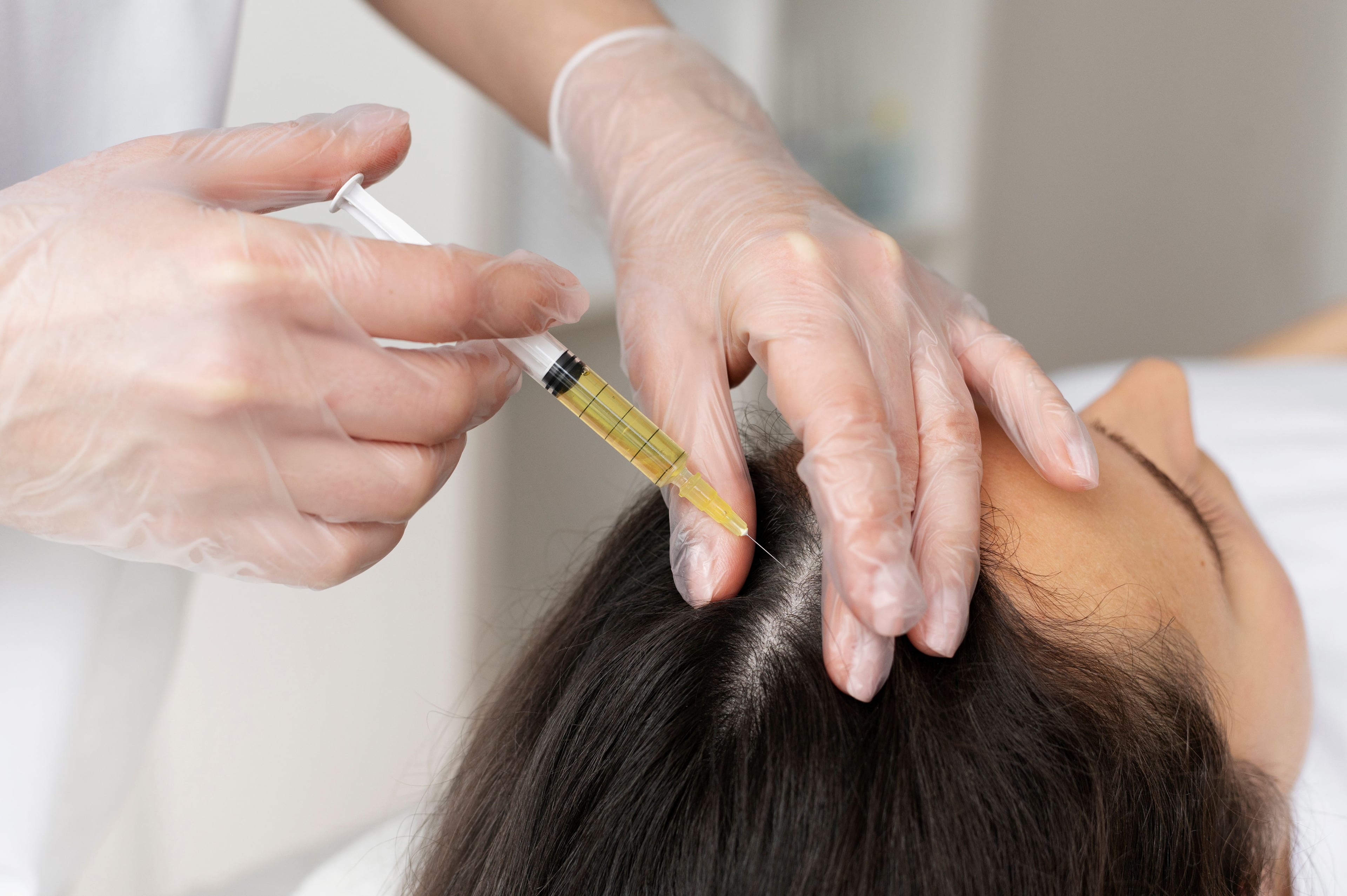
PRP stands for platelet-rich plasma. It's a concentrated portion of your own blood that contains a high density of platelets, growth factors, and proteins your body uses to heal and regenerate tissue. For hair loss, PRP therapy involves drawing a small blood sample, processing it to isolate those powerful platelets, and injecting the concentrated solution directly into thinning areas of the scalp.
Here's how it works at the cellular level. Platelets release cytokines and bioactive proteins that tell your body to repair and rebuild. When injected into the scalp, those growth factors stimulate dormant or weakened hair follicles, extend the active growth phase of the hair cycle (called the anagen phase), and boost blood supply to the follicular unit. Essentially, you're giving your follicles the resources they need to start producing thicker, healthier hair again.
And it's not just theory. A 2022 meta-analysis found that 84% of clinical studies examining PRP for pattern hair loss showed positive outcomes, including measurable gains in density and thickness. More recent research from 2024 and 2025 has continued to reinforce these findings, with reviews reporting an average 31% increase in hair density at six months and patient satisfaction rates around 76%. PRP is also proving to be a strong complement to other hair loss therapies, which we'll get into later.
How Do PRP Injections for Hair Loss Work? (Step-by-Step)
One of the biggest draws of PRP is how straightforward the process is. There's no surgery, no general anesthesia, and no downtime. A typical session takes 30 to 60 minutes, and you can get back to your day right afterward. Here's what it looks like from start to finish:
Step 1: Blood draw. A small sample of blood (typically 10 to 60 milliliters) is drawn from your arm, just like a routine lab test. It takes a couple of minutes and most people don't think twice about it.
Step 2: Centrifuge processing. Your blood goes into a centrifuge, which spins it at high speed to separate it into three layers: red blood cells, platelet-poor plasma, and platelet-rich plasma. That PRP layer has a platelet concentration five to ten times higher than your normal blood, and that's the magic ingredient.
Step 3: Scalp injection. After applying a topical numbing agent so you're comfortable, your provider injects the PRP into the targeted areas of thinning using ultra-fine needles. The injections are shallow and placed in a careful pattern, sometimes at over 100 injection points per session, to make sure the entire treatment area gets thorough coverage.
Most patients say it feels more like mild pressure than actual pain, especially with the numbing cream. You can go right back to your normal routine afterward. There's no recovery period, no bandaging, and no restrictions on washing your hair. Some providers also combine PRP with microneedling to boost absorption, and when this technique is applied to the face for skin rejuvenation, it's often called the Blood Facial.
Who Is a Good Candidate for PRP Hair Treatment?
PRP works best for people who are in the early to moderate stages of hair thinning, not those with complete baldness. The treatment reactivates follicles that are weakened but still functioning, so there needs to be some existing follicular activity for the growth factors to do their job.
You're likely a strong candidate if you:
- Are experiencing androgenetic alopecia (pattern hair loss), the most common type of thinning in both men and women
- Have noticed increased shedding or gradual thinning over the past several months to a few years
- Have diffuse thinning across the crown or hairline, rather than fully bald patches
- Recently had a hair transplant and want to support graft survival and speed up recovery
- Are looking for a non-surgical, drug-free alternative to daily medications like minoxidil or finasteride
PRP may not be the right fit if you have a blood disorder, platelet dysfunction, active scalp infection, or are on blood-thinning medications. The best way to know for sure is a one-on-one conversation with a provider who can evaluate your specific situation. You can schedule a free consultation with our team to go over your hair loss pattern, medical history, and goals before making any commitment.
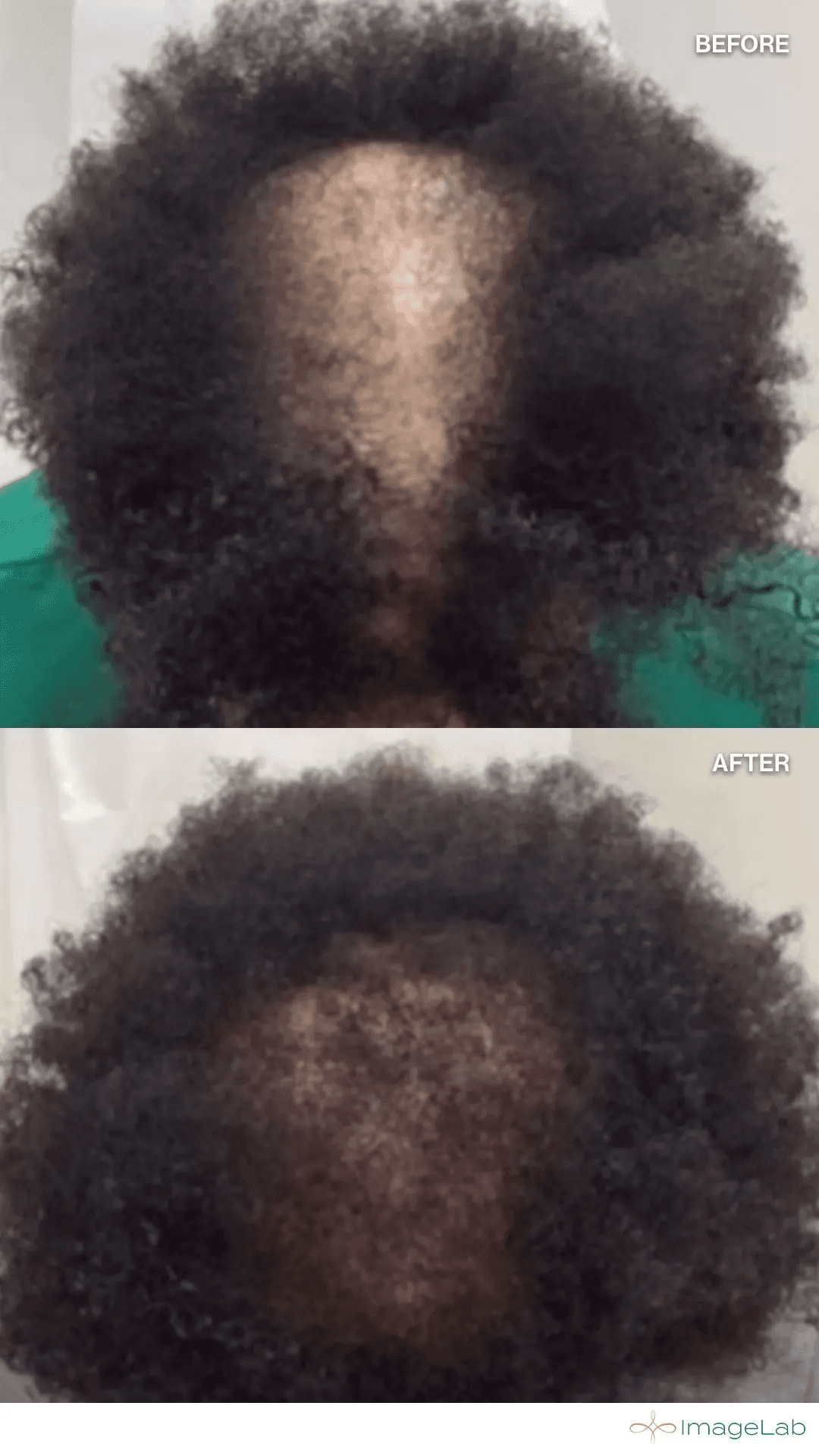
PRP Hair Loss Before and After: What Real Results Look Like
If you've been searching for PRP hair loss before and after photos, you've probably come across some pretty dramatic transformations. And while every patient's experience is different, the clinical data paints a clear and encouraging picture.
Studies consistently show that PRP reduces shedding within the first four to six weeks, with visible density improvements appearing between three and six months after treatment starts. A 2021 study on androgenetic alopecia found measurable gains in both hair density and diameter at six months, particularly in patients treated with higher platelet concentrations. Across multiple clinical trials, the average density increase lands around 31% at the six-month mark.
What patients tend to notice first is less hair falling out day to day. Then come the finer "baby hairs" popping up in areas that had been thinning for a while. Over the next few months, those hairs thicken and mature, gradually filling in the sparse spots. The improvement happens slowly enough that it looks completely natural, which is actually one of PRP's biggest selling points. Nobody's going to look at you and wonder what you had done.
What to Expect Month by Month
Weeks 1 to 4: You won't see visible changes yet, but the growth factors are doing their work beneath the surface. A lot of patients notice that less hair is showing up in the brush or shower drain during this phase.
Months 2 to 3: The reduced shedding becomes more noticeable. Some patients start to see very fine new growth appearing in the treated areas. Your scalp may just feel healthier overall.
Months 3 to 4: This is typically when the visible shift kicks in. New baby hairs start filling in, and existing hair may feel thicker and more resilient. Clinical measurements at this point often show clear density improvements.
Months 5 to 6: Hair density usually reaches its peak. The new growth has had time to mature, and thinning areas look noticeably fuller. This is the stage where before and after comparisons are the most dramatic.
Months 6 to 12+: With maintenance sessions, results keep improving or hold steady. Without maintenance, expect some gradual regression over 12 to 18 months as the growth factors get metabolized by your body.
How Many PRP Sessions Do You Need?
PRP for hair restoration isn't a one-and-done treatment. The most widely recommended protocol is an initial series of three sessions, spaced four to six weeks apart. This builds up the concentration of growth factors in the scalp and gives your follicles a sustained push toward recovery.
After that initial series, maintenance treatments every three to six months are recommended to keep the results going. Clinical data shows that results typically last 12 to 18 months before a booster is needed, though that can vary depending on your age, overall health, and how advanced your hair loss was when you started.
At ImageLab, we create a personalized treatment schedule for every patient based on their specific goals and budget. Our PRP treatment packages are structured to make both the initial series and ongoing maintenance straightforward and affordable.
PRP Hair Treatment Cost and What Affects Pricing
PRP hair treatment sessions generally cost between $400 and $1,500 each, depending on a handful of factors. The provider's experience, the preparation method used (single-spin vs. double-spin centrifuge), whether any additives like extracellular matrix stabilizers are included, and your geographic location all influence the final price.
One thing worth knowing: PRP for hair growth is considered off-label, meaning the FDA has cleared PRP systems for orthopedic use but not specifically for hair restoration. Because of that, it's typically not covered by health insurance. That's the case at pretty much every clinic offering the treatment, not just ours.
At ImageLab, we're upfront about pricing from the start. During your consultation, you'll get a clear cost breakdown with no surprises, and we offer flexible payment options to make quality hair restoration accessible. You can view our PRP pricing and details and ask about our membership program, which includes discounts on ongoing treatments.
PRP vs. Other Hair Loss Treatments
It helps to see how PRP stacks up against the other options out there so you can figure out which approach, or combination, makes the most sense for your situation.
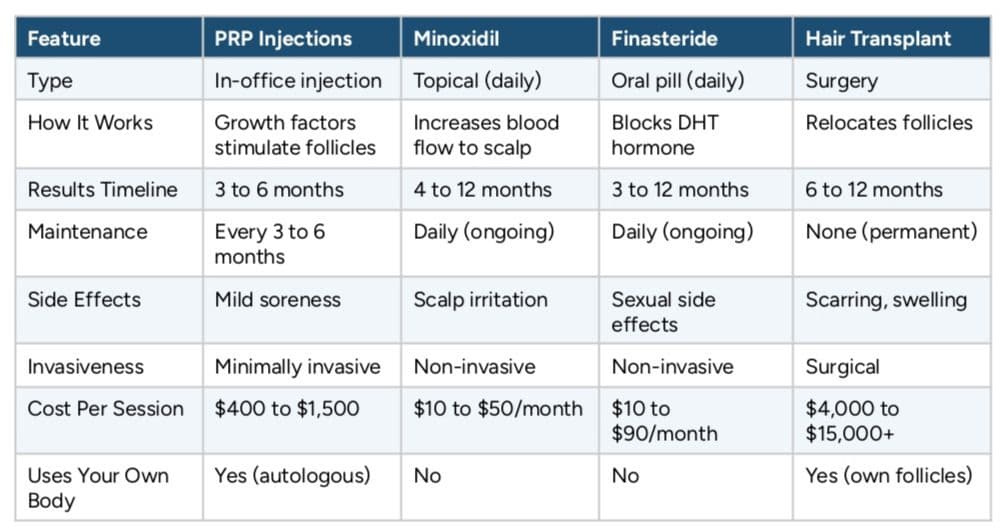
One of PRP's standout advantages is that it uses your own blood. That means there's essentially zero risk of allergic reaction and none of the side effects that come with taking a daily medication. It also combines really well with other treatments. Research shows that pairing PRP with minoxidil or low-level laser therapy can produce results that are up to 50% better than using either treatment on its own.
If you're thinking about non-surgical options beyond hair loss, treatments like Botox, dermal fillers, and biostimulatory fillers like Sculptra can be part of a comprehensive aesthetic plan alongside PRP. Our guide to anti-wrinkle treatments breaks down how those options compare for skin rejuvenation.
Side Effects and Safety of PRP Injections
Because PRP is autologous (meaning it comes entirely from your own body), it carries a very low risk profile. No foreign substances are being injected, which eliminates the chance of allergic reactions or disease transmission.
The most common side effects are mild and short-lived:
- Soreness or tenderness at the injection sites, usually clearing up within 24 to 48 hours
- Mild swelling or redness on the scalp
- An occasional headache after treatment, reported by fewer than 10% of patients
Serious complications are rare when the procedure is done by trained providers in a proper clinical setting. To make sure everything goes smoothly, here are some guidelines we recommend:
Before treatment: Stop blood-thinning medications and NSAIDs (like ibuprofen or aspirin) 48 hours before your session. Skip hair products like gel or hairspray for three days prior. Wash your hair the morning of your appointment, and make sure you eat a good meal and drink at least 16 ounces of water beforehand.
After treatment: You can jump right back into your normal routine. Just hold off on coloring or perming your hair for at least 72 hours. Washing your hair on your regular schedule is fine unless the injection sites feel particularly tender.
Why Choose ImageLab Med Spa for PRP Hair Restoration
The provider you choose for PRP really does matter. The injector's skill level, the quality of the preparation system, and the overall treatment environment all play a direct role in the kind of results you'll get. At ImageLab, we've built our approach around clinical expertise, individualized care, and complete transparency.
Our team of licensed professionals has deep experience in regenerative aesthetics. Every PRP treatment plan starts with a thorough consultation where we evaluate your hair loss pattern, review your medical history, and set honest expectations. We customize the platelet concentration and injection technique for each patient rather than using a cookie-cutter approach.
With a 4.9 out of 5.0 rating and over 400 reviews, our patients consistently highlight the professionalism, comfort, and quality of results they experience at our clinics. Beyond PRP, we offer a full range of aesthetic treatments, from lip fillers and Kybella to medical weight loss programs, so you can address multiple goals with a team that already knows your history. You can also learn more about our team and approach.
We're proud to serve patients at three convenient locations:
- ImageLab Chicago: 2033 W Roscoe St, Chicago, IL 60618 | (872) 285-6769. Located in Roscoe Village and serving patients across North Center, Lincoln Park, and surrounding neighborhoods.
- ImageLab Rockford: 1998 McFarland Road, Rockford, IL 61107 | (815) 205-1122. Bringing expert care and the same curated treatment menu to the northern Illinois region.
- ImageLab Alexandria: 123 N Pitt St, Ste 150, Alexandria, VA 22314 | (703) 884-8314. Our East Coast location serving the greater Washington, D.C. area.
Frequently Asked Questions About PRP for Hair Loss
How long does PRP for hair loss take to show results?
Most patients notice less shedding within the first four to six weeks. Visible improvements in density and thickness typically show up between three and six months, with results peaking around the six-month mark.
Is PRP hair treatment painful?
Most people describe it as mild pressure or a light pinch. We apply a topical numbing cream before treatment to keep you comfortable. The whole procedure takes 30 to 60 minutes.
How much does PRP hair treatment cost?
Sessions generally fall in the $400 to $1,500 range depending on the provider, preparation method, and location. At ImageLab, we offer clear pricing and flexible payment options. Reach out to us for a personalized quote during your free consultation.
How many PRP sessions are needed for hair regrowth?
The standard starting protocol is three sessions spaced four to six weeks apart, followed by maintenance every three to six months. Your provider will tailor the schedule to your specific hair loss pattern and how you respond to treatment.
Can PRP be combined with other hair loss treatments?
Absolutely. Research actually suggests that combination therapy produces better results. PRP pairs well with minoxidil, finasteride, low-level laser therapy, and microneedling. Studies have shown up to 50% better outcomes when PRP is used alongside a complementary treatment.
Who is not a good candidate for PRP hair treatment?
PRP may not be right for people with blood disorders, platelet dysfunction, active scalp infections, certain autoimmune conditions, or anyone taking anticoagulant medications. That's exactly why we start with a thorough consultation to figure out if PRP is a good match for you.
How long do PRP hair restoration results last?
Results generally hold for 12 to 18 months. Maintenance sessions every three to six months help you keep building on what you've gained. Without maintenance, you can expect some gradual regression over time as the growth factors are metabolized.
Take the Next Step Toward Thicker, Healthier Hair
PRP injections for hair loss offer a clinically supported, minimally invasive way to restore the thickness and density that thinning has taken from you. By working with your body's own growth factors, PRP supports your natural biology instead of fighting against it. No daily pills. No harsh chemicals. No surgery.
Whether you're just starting to notice more hair in the drain or you've been dealing with gradual thinning for years, PRP could be the treatment that finally delivers the results you've been hoping for. The best way to find out is to sit down with a provider who actually takes the time to understand your goals.
At ImageLab Med Spa, we offer complimentary consultations to evaluate your hair loss, walk you through your options, and build a treatment plan designed around you. No pressure, no obligation. Just the information you need to make the right call.
Call us: Chicago (872) 285-6769 | Rockford (815) 205-1122 | Alexandria (703) 884-8314
Or book your appointment online at the location closest to you.
────────────────────────────────────────────────────────────
Medical Disclaimer
This content is for informational purposes only and does not constitute medical advice. PRP for hair growth is an off-label application; FDA clearance exists for orthopedic indications. Individual results may vary. Consult with a qualified healthcare provider to determine if PRP therapy is appropriate for your specific situation.
Visit ImageLab Near You
ImageLab Med Spa offers PRP hair restoration in Rockford, IL and PRP hair restoration in Alexandria, VA. Book a consultation at a location near you.