Microneedling vs Chemical Peel: Which Is Better for My Skin?
Published April 2, 2026
If you have been researching ways to refresh your complexion, reduce acne scars, or smooth out fine lines, two treatments probably keep showing up in your search results: microneedling and chemical peels. Both are popular skin resurfacing options offered at medical spas across Chicago, and both deliver real, visible results. But they work in very different ways, and the right choice depends on your skin type, your goals, and how much downtime you can handle.
This guide breaks down everything you need to know so you can walk into your consultation feeling informed and confident.
What Is Microneedling?
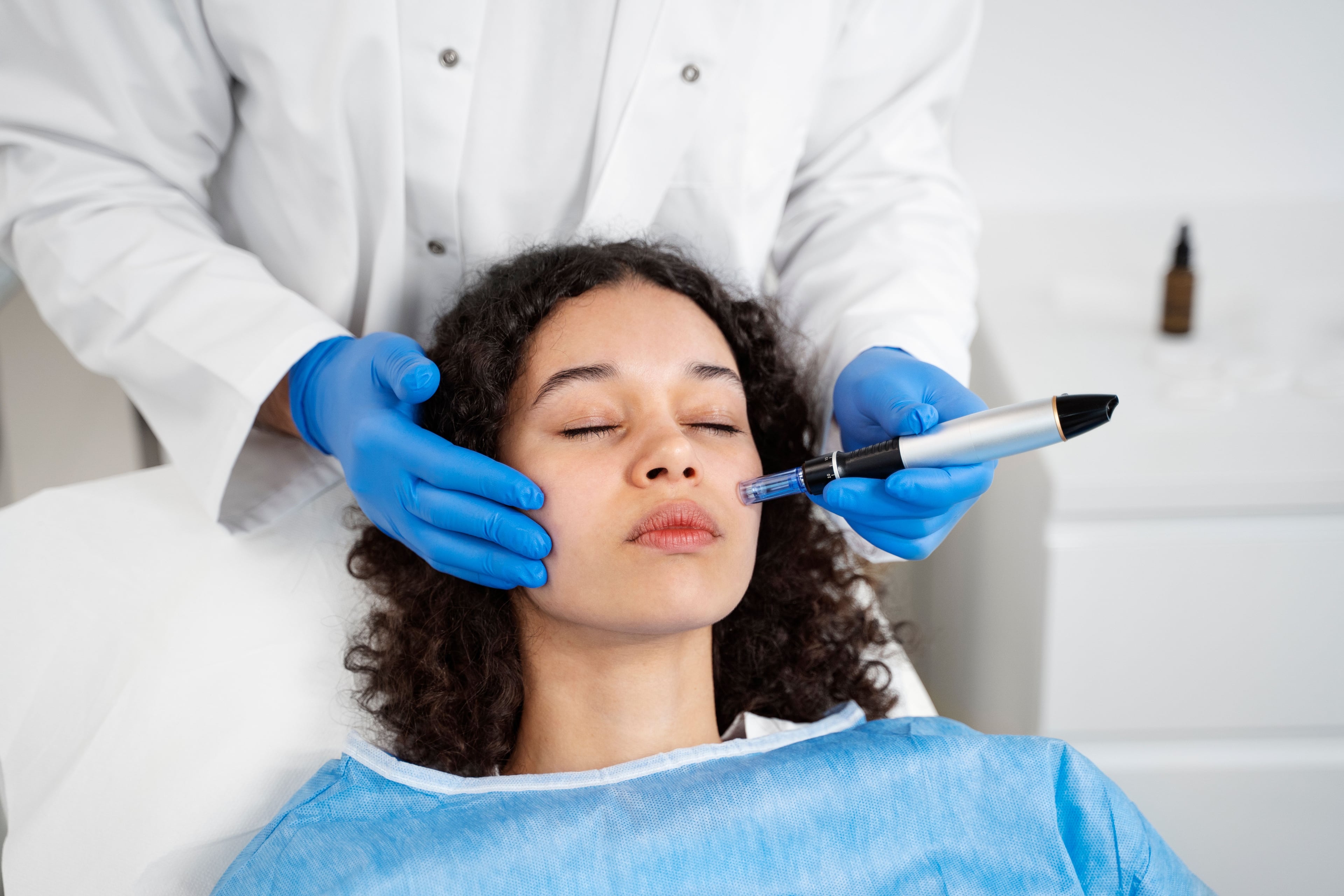
Microneedling is a collagen-stimulating treatment that uses a device fitted with tiny, sterile needles to create controlled micro-injuries in the skin. These micro-channels trigger your body's natural wound-healing response, which ramps up collagen and elastin production over the following weeks and months.
At ImageLab Med Spa, we use an FDA-approved SkinPen device for precision and safety. The treatment is minimally invasive, takes about 30 to 45 minutes, and requires little downtime compared to more aggressive resurfacing procedures.
What Microneedling Treats
Microneedling is especially effective for concerns that involve the deeper layers of the skin. Common treatment targets include fine lines and forehead wrinkles, acne scars and pitting, enlarged pores, uneven skin texture, stretch marks, and mild hyperpigmentation. Because the treatment works beneath the surface, results tend to build gradually, with most clients noticing significant improvement after two to three sessions.
What Is a Chemical Peel?
A chemical peel is a skin-resurfacing treatment that applies a professional-grade acid solution to the outermost layers of the skin. The solution dissolves damaged cells on the surface, encouraging them to shed and reveal fresher, brighter skin underneath.
Chemical peels range in intensity from light (superficial) peels that target the epidermis to medium-depth peels that reach further into the skin. Your provider will recommend the right strength based on your skin concerns, skin type, and sensitivity.
What Chemical Peels Treat
Chemical peels are particularly well suited for surface-level skin concerns. They work well for dullness and rough texture, sun damage and age spots, mild to moderate hyperpigmentation, clogged pores and mild acne, and superficial fine lines. Because peels focus on the outer layers of skin, you may see a brighter, smoother complexion within just a few days of treatment.
Key Differences Between Microneedling and Chemical Peels
How They Work
The most fundamental difference is the mechanism. Microneedling creates physical micro-injuries that activate collagen remodeling from within. Chemical peels use a chemical exfoliant to dissolve and remove damaged surface cells. Think of microneedling as building your skin up from the inside, and chemical peels as clearing away the old to reveal the new.
Depth of Treatment
Microneedling can reach deeper into the dermis, making it more effective for scarring, texture irregularities, and structural concerns. Light to medium chemical peels primarily target the epidermis and upper dermis, making them ideal for pigmentation, dullness, and surface-level blemishes.
Downtime and Recovery
After microneedling, expect about one to three days of redness that looks similar to a mild sunburn. You can typically return to your normal routine within 24 to 48 hours. Chemical peels vary more widely. A light peel may cause only minor flaking for a day or two, while a medium-depth peel can involve visible peeling for up to a week.
Skin Types and Suitability
Microneedling is generally safe for all skin tones, including darker complexions, because it does not involve heat or chemicals that can trigger post-inflammatory hyperpigmentation. Chemical peels require more caution with deeper skin tones, and your provider will carefully select the peel type and strength to minimize any risk of discoloration.
Number of Sessions
Most microneedling treatment plans involve three to six sessions spaced about four to six weeks apart for optimal collagen building. Chemical peels can deliver noticeable results in a single session, though a series of three to six treatments is often recommended for long-term improvement.
Which Treatment Is Better for Your Skin Goals?
Choose Microneedling If You Want To:
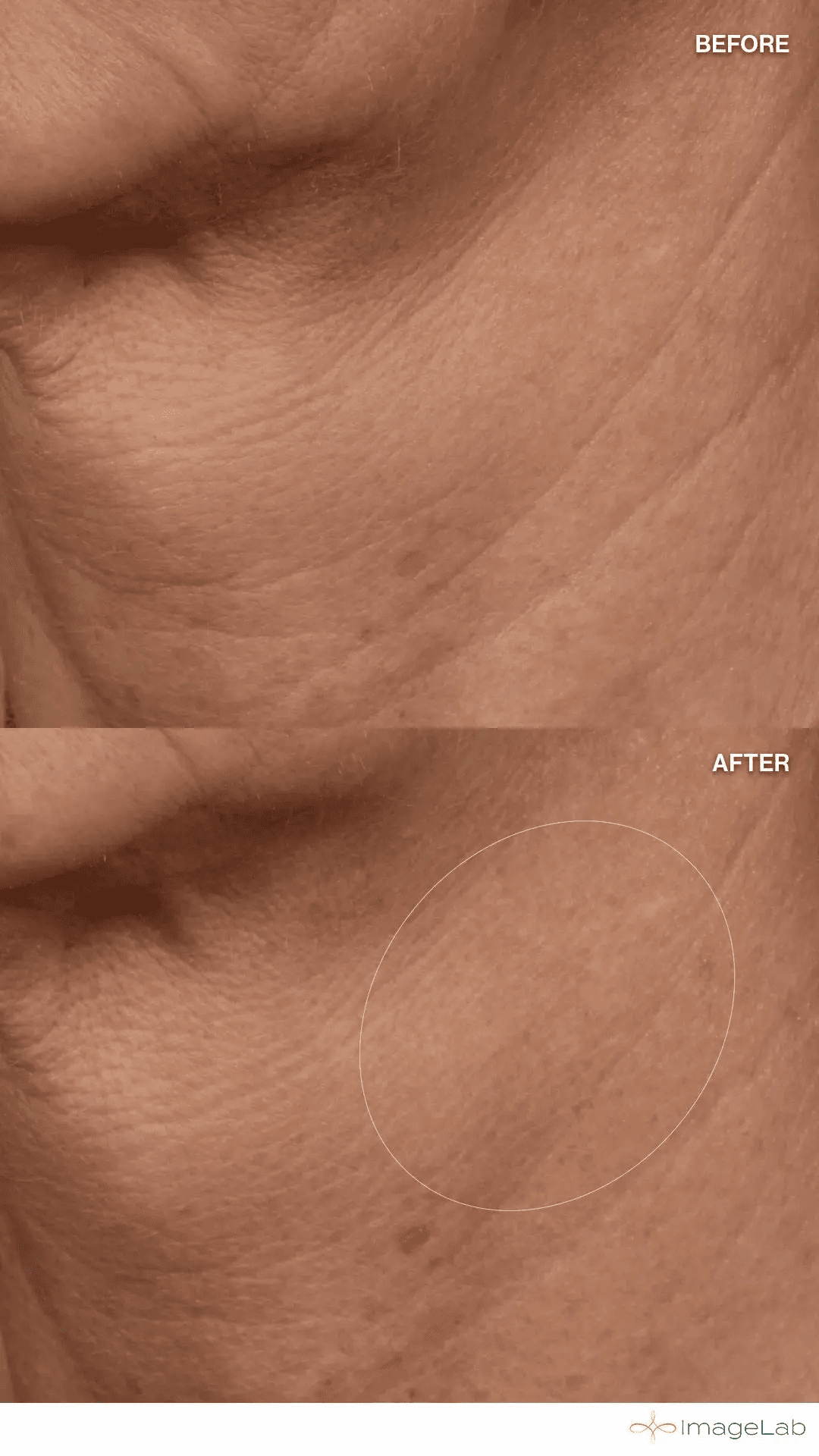
Microneedling is the stronger choice when you are dealing with acne scars, pitting, or deep textural concerns. It is also ideal if you want to boost overall collagen production for firmer skin, improve the appearance of stretch marks, or treat skin concerns on areas beyond the face. Clients with darker skin tones who want to minimize the risk of pigmentation changes also tend to be great candidates for microneedling.
Choose a Chemical Peel If You Want To:
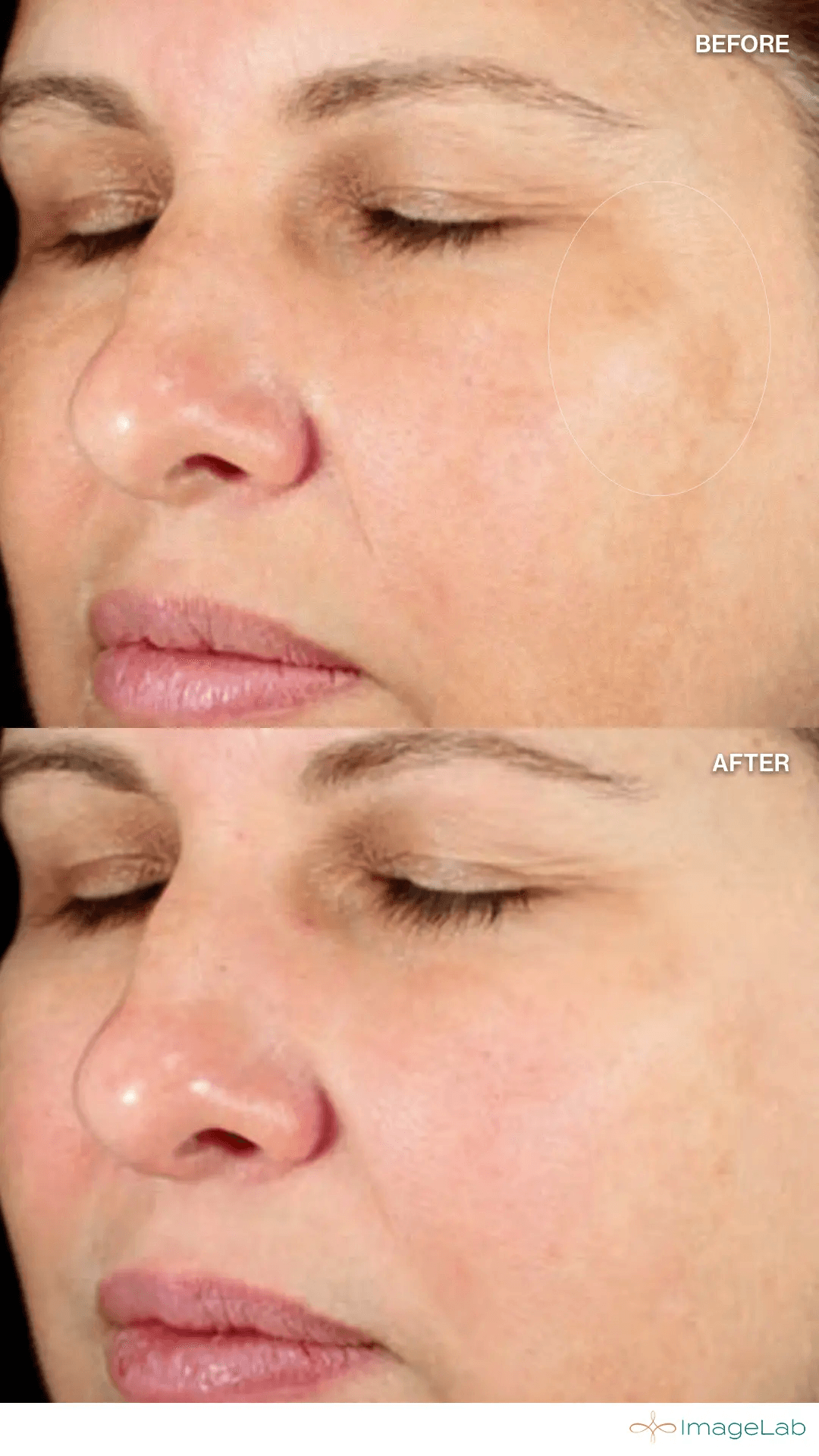
A chemical peel may be the better fit if your main goal is to brighten a dull complexion quickly or address sun damage and age spots. Peels are also excellent for smoothing rough, uneven texture, clearing mild breakouts and unclogging pores, and getting visible results with minimal sessions. If you are preparing for a special event and want a quick skin refresh, a light chemical peel can deliver that glow with very little downtime.
Can You Combine Microneedling and Chemical Peels?
Absolutely. Many clients at ImageLab Med Spa see the best results when they alternate between the two treatments as part of a comprehensive skincare plan. For example, you might schedule a chemical peel to clear surface buildup and brighten your complexion, then follow up with microneedling a few weeks later to target deeper collagen remodeling and scar reduction.
For clients who want to take their results even further, we also offer the Blood Facial (PRP + Microneedling), which combines microneedling with platelet-rich plasma therapy. PRP injections use growth factors from your own blood to supercharge healing and collagen production, delivering even more dramatic skin rejuvenation.
Other Treatments That Complement Your Results
Depending on your skin goals, your provider may also recommend pairing microneedling or chemical peels with other services at ImageLab Med Spa. A DiamondGlow Facial is a great option for deep cleansing and hydration between resurfacing sessions. For clients focused on sun damage, discoloration, or more advanced texture concerns, laser facial resurfacing offers a powerful next step that can target deeper layers of the skin with precision.
Your treatment plan should always be tailored to your unique skin. That is why we recommend starting with a free consultation so your provider can assess your concerns and build a plan that works for you.
Find Out Which Treatment Is Right for You
Every person's skin is different, and the best treatment for you depends on your specific concerns, skin type, and aesthetic goals. At ImageLab Med Spa in Chicago, our experienced providers take the time to evaluate your skin and recommend a personalized plan that fits your needs and your schedule.
Ready to get started? Book a free consultation today and let our team help you decide whether microneedling, a chemical peel, or a combination approach is the best path to your healthiest, most radiant skin.
Visit ImageLab Near You
ImageLab Med Spa offers microneedling in Rockford, IL and microneedling in Alexandria, VA. Book a consultation at a location near you.