PRP Injections for Face: How Platelet-Rich Plasma Can Rejuvenate Your Skin
Published April 2, 2026
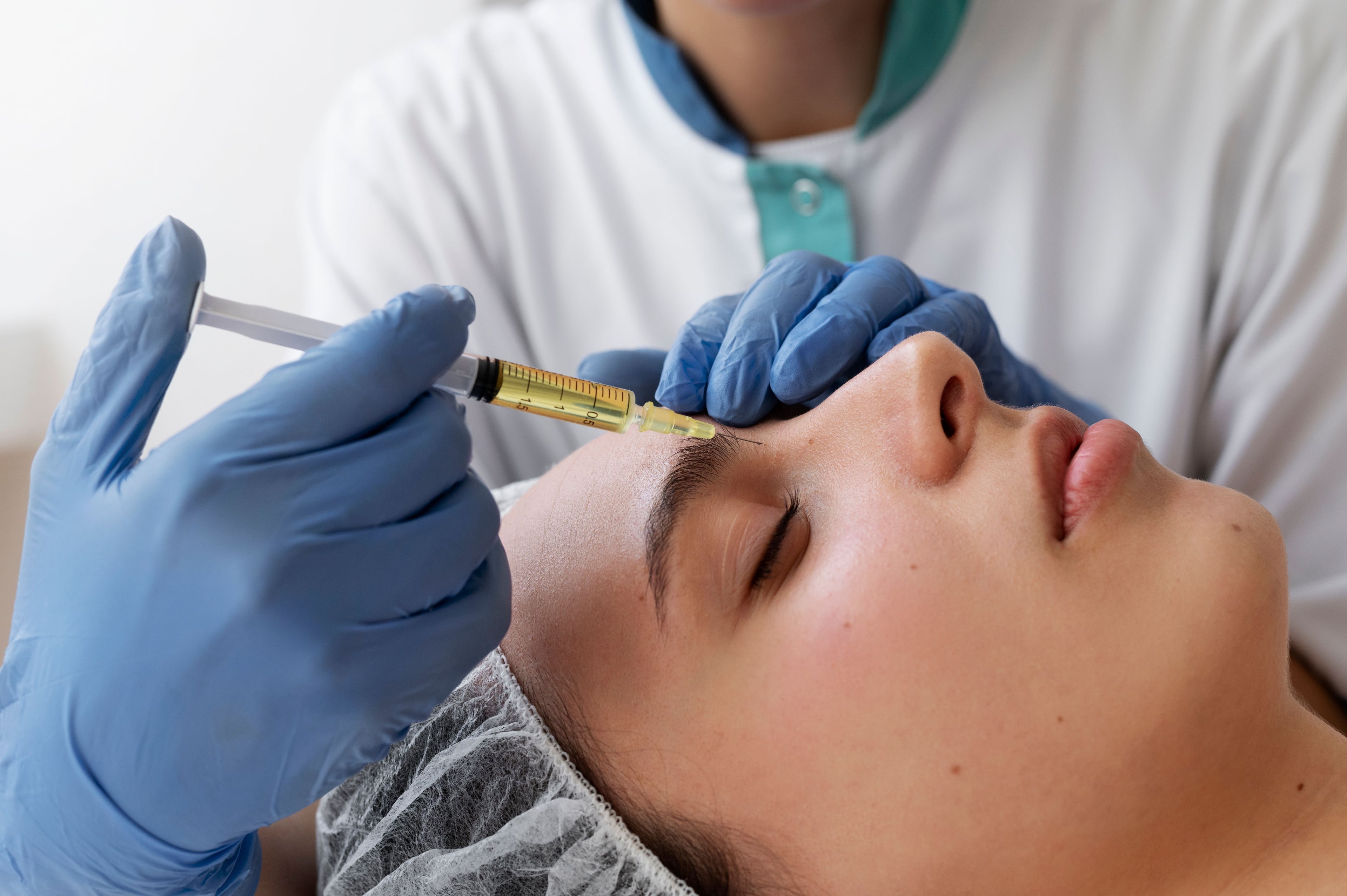
If you’ve been searching for a way to rejuvenate your skin without relying on synthetic products or invasive procedures, PRP injections for the face may be exactly what you’ve been looking for. Platelet-rich plasma therapy uses your body’s own growth factors to stimulate collagen production, improve skin texture, and restore a natural, youthful radiance — all without introducing any foreign substances into your skin.
PRP facial injections have quickly become one of the most requested treatments at medical spas across the country, and for good reason. The treatment works with your biology rather than against it, encouraging your skin to heal and renew itself from within. Whether you’re dealing with fine lines, acne scarring, dull skin, or under-eye concerns, PRP offers a versatile and science-backed approach to facial rejuvenation.
In this guide, we’ll walk you through everything you need to know about PRP injections for the face — from how the treatment works and what it can address to what results you can expect and how it compares to other popular med spa treatments.
What Is PRP and How Does It Work for Facial Rejuvenation?
PRP stands for platelet-rich plasma, a concentrated serum derived from your own blood. During treatment, a small blood sample is drawn and placed into a centrifuge, which spins at high speed to separate the plasma from the red and white blood cells. The resulting PRP serum contains a high concentration of platelets loaded with growth factors — including platelet-derived growth factor (PDGF), transforming growth factor (TGF-beta), and vascular endothelial growth factor (VEGF).
When this PRP serum is injected into targeted areas of your face, these growth factors go to work stimulating your fibroblasts — the cells responsible for producing collagen and elastin. This triggers a cascade of tissue repair and regeneration at the cellular level. Over the following weeks and months, your skin responds by producing fresh collagen, improving its firmness, elasticity, and overall quality.
What makes PRP unique compared to treatments like dermal fillers is that it doesn’t add external volume or foreign materials. Instead, it encourages your body to rebuild and restore itself. Think of it as giving your skin the raw materials and signals it needs to repair damage, smooth imperfections, and regain that healthy, youthful glow on its own.
This bio-regenerative approach is also why PRP is considered one of the safest facial treatments available — since the serum comes from your own blood, the risk of allergic reactions or rejection is virtually nonexistent.
What Can PRP Injections Treat on the Face?
One of the biggest advantages of PRP facial injections is their versatility. Rather than targeting a single concern, PRP addresses multiple signs of aging and skin damage simultaneously, making it an excellent all-around skin rejuvenation treatment.
Fine lines and wrinkles. PRP is particularly effective at softening forehead lines, crow’s feet, and smile lines. As growth factors stimulate new collagen in these areas, the skin gradually becomes firmer and smoother, reducing the appearance of creases that develop from years of facial movement and natural aging.
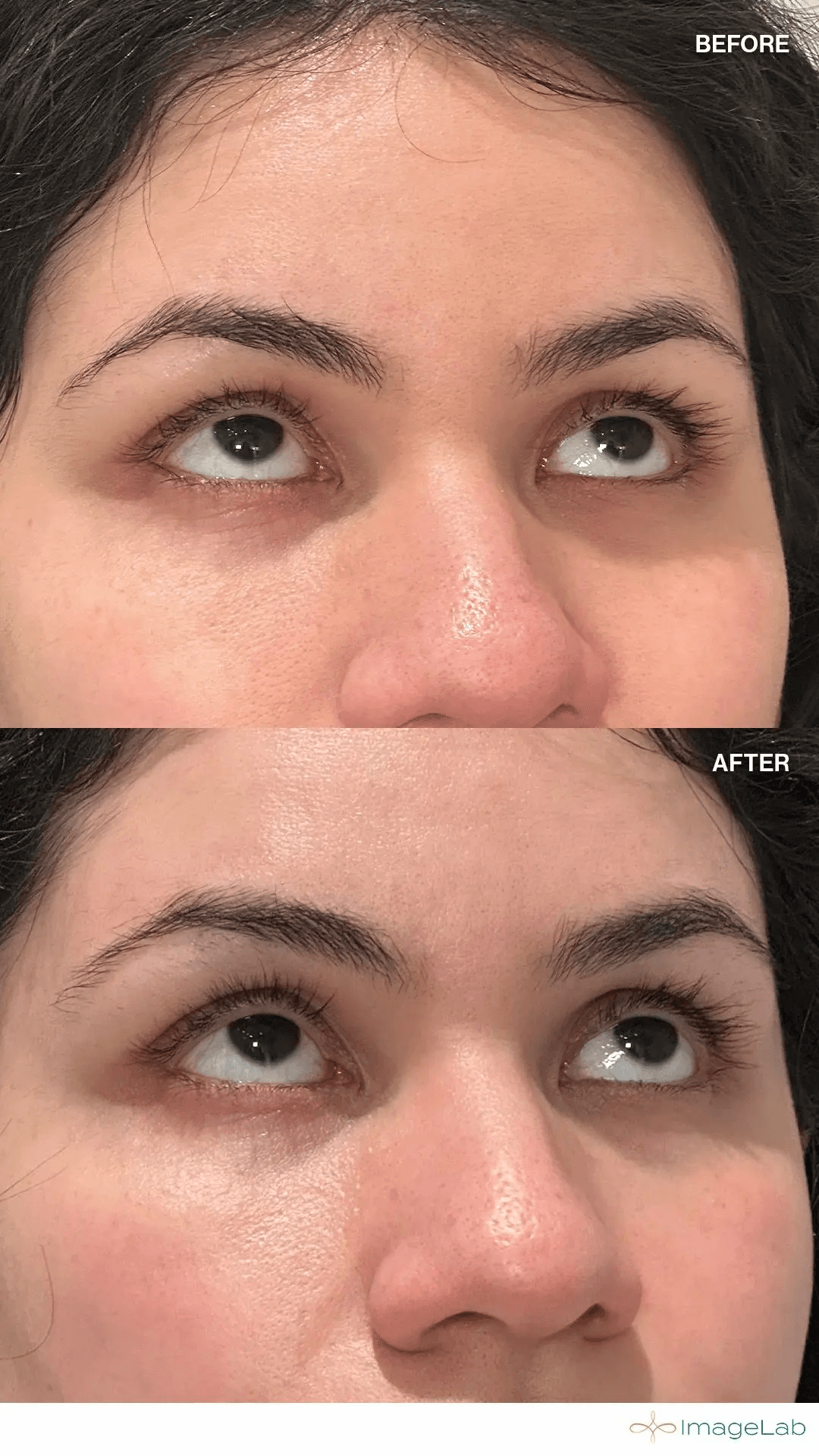
Under-eye hollows and dark circles. The skin beneath your eyes is among the thinnest and most delicate on your entire body. PRP injections help thicken this tissue while improving circulation in the area, which can reduce the dark, tired appearance that makes you look older than you feel.
Acne scars and uneven texture. If you’ve been dealing with scarring left behind from past breakouts, PRP can help. The growth factors stimulate new collagen formation in damaged tissue, gradually lifting depressed scars and smoothing out rough, uneven texture. For more pronounced scarring, PRP is often combined with microneedling for enhanced results.
Dull, tired-looking skin. Even if you don’t have significant wrinkles or scars, PRP can dramatically improve your skin’s overall quality. Patients frequently report smaller pores, more even skin tone, and a healthy, natural radiance that comes from increased collagen and improved blood flow.
Mild volume loss and skin laxity. While PRP won’t replace the instant volumizing effect of fillers, it does create a subtle lifting and firming effect as collagen rebuilds over time. This makes it an excellent option for patients who want gradual, natural-looking improvement rather than dramatic overnight changes.
PRP works best for early-to-moderate signs of aging and texture concerns. If you’re unsure whether it’s the right fit for your skin goals, a consultation with an experienced provider can help you determine the best path forward.
The PRP Facial Injection Procedure: What to Expect
If you’ve never had a PRP treatment before, knowing what to expect can help put your mind at ease. The entire process is straightforward, minimally invasive, and typically takes about 45 to 60 minutes from start to finish.
Step 1: Consultation and skin analysis. Your provider begins by evaluating your skin, reviewing your medical history, and discussing your goals. Every face ages differently — some people notice changes around the eyes first, while others see them around the mouth or cheeks. Understanding your unique aging pattern allows your provider to create a targeted treatment plan. At ImageLab Med Spa, this evaluation may include advanced tools to assess your skin’s condition beneath the surface.
Step 2: Blood draw. A small sample of blood is taken from your arm, similar to what you’d experience during routine bloodwork. Most patients find this step quick and painless.
Step 3: Centrifuge processing. Your blood sample is placed in a centrifuge and spun for approximately 10 minutes. This separates the platelet-rich plasma from the other blood components, creating your personalized PRP serum.
Step 4: Numbing. A topical anesthetic cream is applied to the treatment areas to ensure your comfort throughout the injection process.
Step 5: Targeted injections. Using ultra-fine needles, your provider carefully injects the PRP serum into the targeted areas of your face. Precise placement ensures even distribution of the growth factors for optimal healing and rejuvenation.
Step 6: Post-treatment. You may experience mild redness, slight swelling, or minor bruising at the injection sites, but these effects typically resolve within 24 to 48 hours. There’s minimal downtime, and most patients return to their normal activities the same day.
PRP vs. Other Facial Rejuvenation Treatments
Understanding how PRP compares to other popular treatments can help you decide which approach — or combination of approaches — is right for your skin goals.
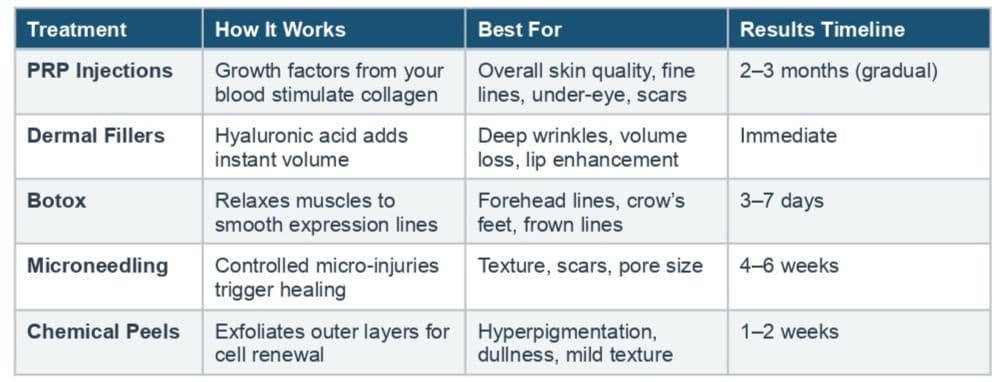
PRP Injections vs. Dermal Fillers. Dermal fillers use hyaluronic acid to add instant volume and smooth deep wrinkles, making them ideal for nasolabial folds, lip enhancement, and cheek contouring. PRP, on the other hand, works gradually by stimulating your body’s own collagen production. Fillers deliver immediate results that last 6 to 18 months, while PRP results develop over 2 to 3 months and focus more on overall skin quality rather than volume replacement. Many patients benefit from using both treatments together.
PRP Injections vs. Botox. Botox and wrinkle relaxers work by temporarily relaxing the facial muscles that cause expression lines like forehead wrinkles, crow’s feet, and frown lines. Botox is targeted at dynamic wrinkles — the ones that appear when you move your face — while PRP addresses static wrinkles, skin texture, and overall skin health. These two treatments complement each other well when used as part of a comprehensive anti-aging plan.
PRP Injections vs. Microneedling. Microneedling creates controlled micro-injuries in the skin to trigger collagen production, making it excellent for improving texture, scars, and pore size. While microneedling works from the surface down, PRP injections deliver growth factors directly into the deeper layers of the skin. When combined, they create what’s known as the Blood Facial — arguably one of the most effective non-surgical skin rejuvenation treatments available.
PRP Injections vs. Chemical Peels. Chemical peels exfoliate the outer layers of skin to address hyperpigmentation, dullness, and mild texture issues. They work on the surface level with results visible within one to two weeks. PRP works at a deeper, cellular level to rebuild the skin’s underlying structure. Chemical peels and PRP can also be used together as part of a staggered treatment plan for comprehensive skin renewal.
PRP + Microneedling: The Blood Facial Combination
One of the most powerful ways to amplify PRP results is by combining it with microneedling — a treatment ImageLab offers as the Blood Facial.
Here’s how it works: during a microneedling session, a device with fine sterile needles creates thousands of tiny micro-channels in the skin’s surface. When PRP is applied immediately after (or during) the microneedling process, these channels allow the growth factors to penetrate far deeper into the skin than injections alone would achieve.
The result is a treatment that combines the collagen-stimulating benefits of microneedling with the regenerative power of PRP growth factors. Patients who choose the Blood Facial often experience more dramatic improvements in skin texture, more significant scar reduction, and faster overall collagen remodeling compared to either treatment performed on its own.
The Blood Facial is an ideal option for patients dealing with moderate acne scarring, noticeable texture issues, or those who simply want the most comprehensive skin rejuvenation possible without surgery. Recovery is similar to standard microneedling — expect redness for one to two days, with full results developing over the following weeks.
PRP Results: What to Expect and How Long They Last
Unlike treatments that deliver instant gratification, PRP works on your body’s timeline. The growth factors injected during treatment need time to stimulate collagen production, recruit new cells, and rebuild skin structure. Here’s a general timeline of what to expect:
During the first two to three weeks, you may notice subtle improvements in skin hydration, tone, and a mild “glow” as the initial healing response kicks in. The most significant changes appear between months two and three as new collagen production reaches its peak. Skin becomes noticeably firmer, smoother, and more even in texture.
Results from PRP facial injections typically last six to twelve months, depending on factors like your age, skin condition, lifestyle, and how well you maintain your skin between treatments.
For optimal results, most providers recommend two to three sessions spaced four to six weeks apart, followed by annual maintenance treatments to sustain the improvements. Each successive session builds on the previous one, creating cumulative benefits that improve over time.
One of the things patients love most about PRP is the subtlety of the results. You won’t look “done” or dramatically different overnight. Instead, people around you will notice that you look refreshed, rested, and healthier — but they won’t be able to pinpoint exactly what changed. It’s the kind of natural-looking improvement that builds confidence without drawing unwanted attention.
Who Is a Good Candidate for PRP Facial Injections?
PRP facial injections are suitable for a wide range of patients, but they tend to be most effective for certain profiles.
You may be a great candidate if you:
• Are experiencing early-to-moderate signs of aging such as fine lines, mild skin laxity, or dullness
• Prefer a natural treatment approach that doesn’t involve synthetic products or chemicals
• Have acne scarring or uneven skin texture that hasn’t responded well to topical treatments alone
• Want to enhance the results of other treatments like Botox, fillers, or laser treatments
• Are looking for a treatment with minimal downtime and low risk of side effects
PRP may not be suitable if you:
• Have a blood disorder, platelet dysfunction, or autoimmune condition that affects healing
• Are currently taking blood-thinning medications (discuss with your provider before scheduling)
• Have active skin infections, open wounds, or severe acne in the treatment area
• Are pregnant or breastfeeding
If you’re unsure whether PRP is right for you, the best next step is to schedule a consultation with an experienced provider who can evaluate your skin and recommend a personalized treatment plan.
Why Choose ImageLab Med Spa for PRP Facial Treatments?
Not all PRP treatments are created equal. The quality of your results depends heavily on the provider’s experience, the processing standards used, and how well the treatment is customized to your individual skin concerns.
At ImageLab Med Spa, PRP facial treatments are performed by licensed, experienced providers who specialize in injectable and regenerative aesthetics. Every treatment begins with a thorough consultation to assess your skin, understand your goals, and design a personalized protocol — including customized PRP concentration levels and injection techniques tailored to your specific needs.
ImageLab uses medical-grade processing equipment to ensure the highest quality PRP serum, and our team follows strict safety protocols at every step. We also offer transparent pricing and a membership program that makes it easier to maintain your results with ongoing treatments.
With convenient locations in Chicago, Rockford, IL, and Alexandria, VA, expert PRP facial rejuvenation is always within reach. Whether you’re visiting us from Lincoln Park, Lake View, Wicker Park, or anywhere in the surrounding area, our team is ready to help you look and feel your best.
Ready to find out if PRP facial injections are right for you? Book a free consultation today and take the first step toward naturally rejuvenated skin.
Visit ImageLab Near You
ImageLab Med Spa offers PRP injections in Rockford, IL and PRP injections in Alexandria, VA. Book a consultation at a location near you.